
Tourism does not need more technology. It needs better judgement about where technology genuinely helps the experience rather than getting in the way.
Tourism has never lacked enthusiasm for technology. Over the years, the industry has embraced wave after wave of platforms, devices and systems promised as gamechangers. Some have delivered real value. Many have quietly disappeared.
The issue is rarely the technology itself. It is how and why it is applied.
At its best, technology supports the experience quietly and competently. At its worst, it becomes another layer people have to work around.
Too often, technology is introduced to impress, to signal modernity, or to satisfy an internal desire to innovate. In doing so, it risks creating distance between the guest and the experience rather than bringing them closer together.
Guests do not travel for technology. They travel for meaning, memory and connection.
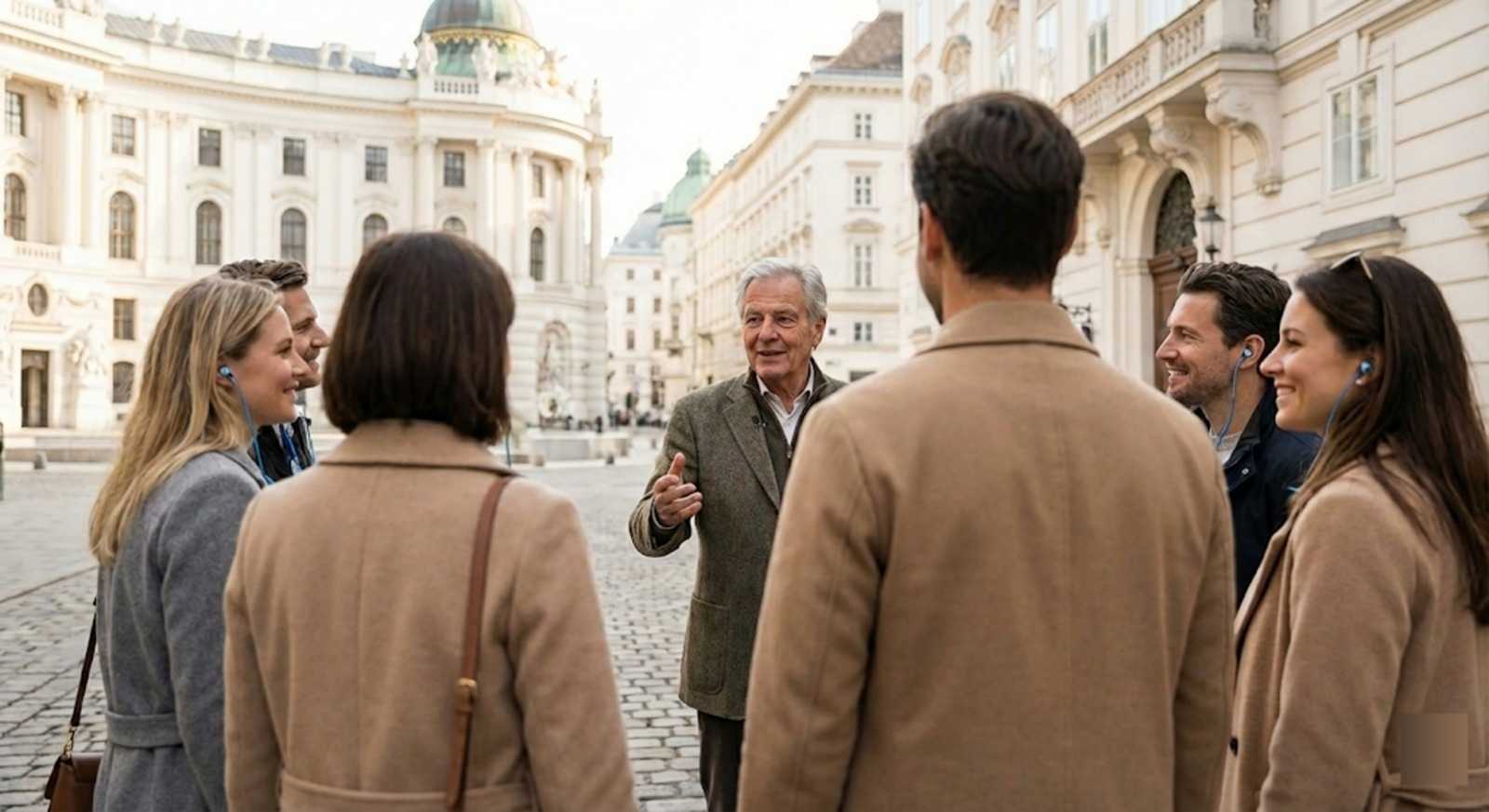
This is particularly clear in guided and hosted experiences. A great guide, a well-told story, a shared sense of discovery. These are human moments. Technology should support them quietly, not compete with them.
Some of the most effective uses of technology in tourism are almost invisible. Clear audio so everyone can hear without strain. Language support that allows people to engage in their own tongue. Systems that smooth entry, manage flow or reduce uncertainty without drawing attention to themselves.
I have seen this repeatedly through work with guiding and experience technology, including at Vox Group. The most successful implementations are not those that shout loudest about innovation, but those that make the experience feel calmer, clearer and more inclusive.
The test is simple.
- Does the technology help the guest?
- Does it support the guide or host?
- Does it make operations more reliable rather than more fragile?
If it only solves one of those, it is probably not ready.
There is also a temptation to view technology as a replacement for people, particularly during periods of labour pressure. In most cases that is a mistake. Technology works best when it amplifies human delivery rather than attempting to remove it.
This matters across all demographics, but especially for later-life travellers, international visitors and first-time guests. These groups value reassurance and clarity. They are quick to notice when technology adds effort rather than removing it. Innovation should be judged not by how advanced it sounds, but by how quietly it works.
When technology is well judged, it fades into the background and allows stories to be heard, places to be understood, and people to feel included. When it is poorly judged, it becomes another source of friction in an already complex journey.
The difference lies not in the technology itself, but in the judgement applied around it.